


Famine Tightens Its Grip on Sudan as Civilians Trapped and Aid Denied
A UN-backed food security analysis confirms famine conditions in parts of Darfur and Kordofan, where months of siege and blocked aid routes have left civilians starving and entire communities isolated.
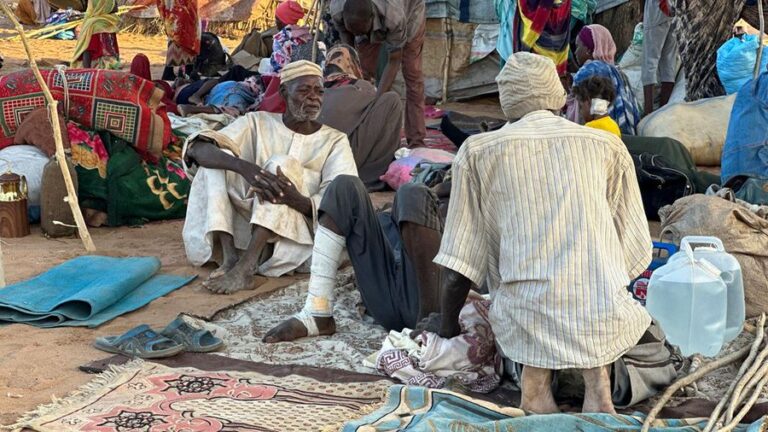
Families in El Fasher face famine as aid remains blocked and fighting continues across Sudan. Photo: @NOS
November 4, 2025 Hour: 6:56 am
🔗 Comparte este artículo
Sudan is descending deeper into famine, according to a UN-supported assessment that warns of catastrophic hunger in areas of Darfur and Kordofan, where fighting and siege tactics have cut off access to food, water, and humanitarian aid.
RELATED:
Sudan: Massacre at Al-Fasher Maternity Hospital Kills 460
The latest report from the Integrated Food Security Phase Classification (IPC) finds that more than 21 million people across Sudan are facing acute food insecurity — the highest number globally. The findings, reviewed and confirmed by the IPC Famine Review Committee, identify famine-level conditions in El Fasher, North Darfur, and Kadugli, South Kordofan. Families trapped in these areas are reportedly surviving on leaves, grass, and animal feed.
The IPC, used by UN agencies and humanitarian partners worldwide, classifies hunger emergencies on a five-phase scale, with Phase 5 — famine — defined by extreme deprivation, acute malnutrition, and rising mortality.
Roughly 375,000 people in Sudan are already facing “catastrophic” levels of hunger, meaning they are on the brink of starvation.
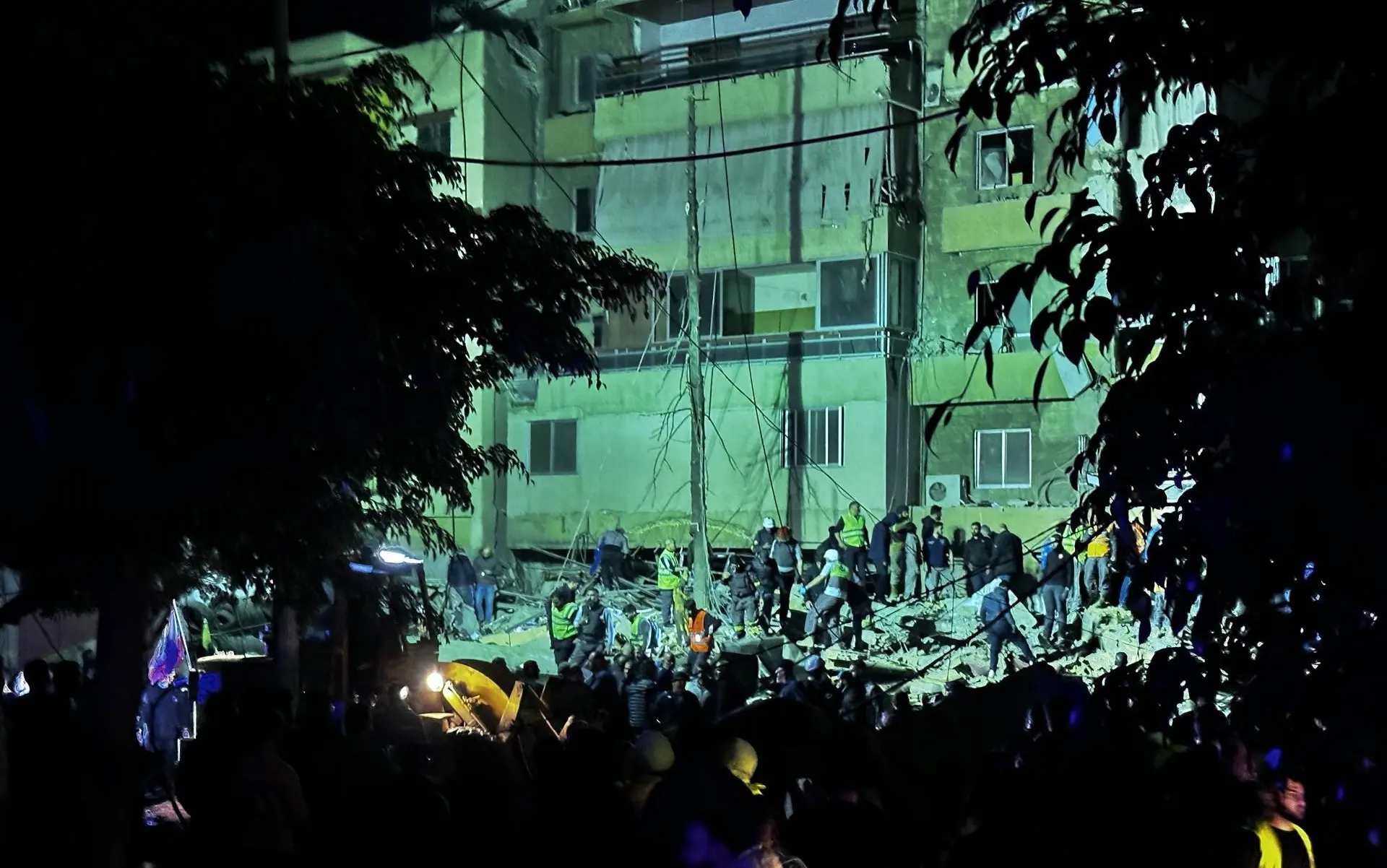
Conditions have worsened dramatically in El Fasher following its takeover last week by the Rapid Support Forces (RSF) after more than 500 days under siege. The United Nations reports that hundreds of civilians, including aid workers, have been killed, and many others remain trapped behind barricades. The city is still sealed off, with food, medicine, and humanitarian supplies blocked despite repeated appeals for access.
The UN Office for the Coordination of Humanitarian Affairs (OCHA) described the obstruction as “unacceptable,” calling for immediate and secure passage for aid convoys. According to the International Organization for Migration (IOM), nearly 71,000 people have fled El Fasher and surrounding areas since late October, many recounting killings, abductions, and sexual violence along the way.
In Tawila, about 70 kilometers west of the city, where most displaced families have gathered, conditions are dire: people are sleeping in the open, food reserves are depleted, and safe drinking water is scarce. Violence in Kordofan has also escalated in recent days, forcing tens of thousands more from their homes.
The UN Children’s Fund (UNICEF) reported that missile attacks in Kadugli last Friday killed at least eight children sheltering in displacement camps.
“This situation is catastrophic for civilians trapped between frontlines, cut off from aid, and facing hunger on a massive scale,” said Denise Brown, the UN Humanitarian Coordinator for Sudan. She renewed calls for an immediate ceasefire, protection of civilians, and unrestricted humanitarian access.
The UN warned that relief operations are at risk, with only 28 percent of Sudan’s $4.16 billion humanitarian response plan funded so far this year amid a sharp global decline in donor spending. Without an end to hostilities and a rapid increase in aid, millions more could face starvation in the months ahead.
Author: MK
Source: Noticias ONU